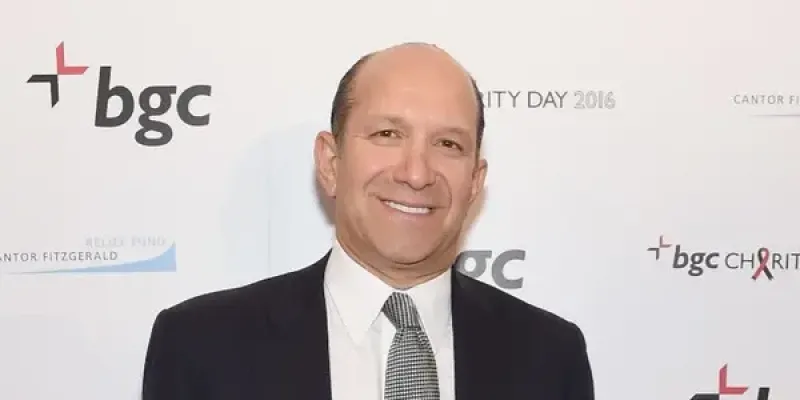
Howard Lutnick is one of the most influential figures on Wall Street, known for transforming a global financial services company into a multi-billion-dollar enterprise. His remarkable leadership, resilience after the September 11 attacks, and strategic investments have made him one of America’s wealthiest business executives.
If you’ve searched for Howard Lutnick net worth, you’re probably curious about how a financial executive built a billion-dollar fortune and what continues to drive his wealth today. Unlike celebrities who earn primarily through entertainment or sports, Lutnick’s fortune comes from equity ownership, executive compensation, investments, and decades of business growth.
This comprehensive guide explores his estimated wealth, career milestones, income sources, business philosophy, assets, philanthropy, and future financial outlook.
Bio Data Table
| Information | Details |
|---|---|
| Full Name | Howard William Lutnick |
| Date of Birth | July 14, 1961 |
| Age (2026) | 64 Years |
| Nationality | American |
| Profession | Business Executive, Investor, CEO |
| Known For | Chairman & CEO of Cantor Fitzgerald |
| Education | Haverford College |
| Industry | Financial Services |
| Primary Income | Executive Compensation & Equity Ownership |
| Estimated Net Worth (2026) | $2.5–$3 Billion (Estimated) |
Who Is Howard Lutnick? (Background & Early Life)
Howard William Lutnick is an American businessman who became one of Wall Street’s most recognizable leaders through determination, innovation, and resilience.
Raised in New York, Lutnick experienced personal tragedy early in life after losing both of his parents within a short period. Despite these hardships, he continued his education at Haverford College, where he developed strong analytical and leadership skills.
After graduating, he joined Cantor Fitzgerald, a financial services firm specializing in bond trading and capital markets. His exceptional business abilities helped him rise quickly through the organization.
By the early 1990s, he had become one of the youngest CEOs in the financial sector, leading the company through modernization and technological expansion.
Perhaps the defining moment of his career came after the September 11 attacks, when Cantor Fitzgerald suffered devastating losses. Lutnick led the firm’s rebuilding efforts while establishing financial support programs for affected families, earning respect throughout the business community.
Net Worth Overview (2026 Estimate)
Estimated Howard Lutnick Net Worth: $2.5 Billion–$3 Billion
Howard Lutnick’s wealth comes primarily from:
- Ownership stakes in financial companies
- Executive salary and bonuses
- Investment portfolios
- Business acquisitions
- Real estate holdings
- Long-term equity appreciation
Unlike entrepreneurs who build wealth through startups, Lutnick accumulated his fortune through decades of leadership in financial markets and strategic ownership positions.
Estimated Wealth Breakdown
| Asset Category | Estimated Value |
|---|---|
| Company Equity | $1.8 Billion |
| Investment Portfolio | $400 Million |
| Real Estate | $150 Million |
| Cash & Liquid Assets | $120 Million |
| Private Investments | $300 Million |
These estimates reflect publicly discussed ownership interests and industry valuations rather than officially disclosed personal financial statements.
Net Worth Growth Timeline
Before Fame
Howard Lutnick started as a young employee at Cantor Fitzgerald after college.
At this stage:
- Entry-level salary
- Limited personal assets
- Focused on learning bond markets
- Building professional reputation
Estimated Net Worth:
Under $1 Million
Breakthrough Phase
During the 1990s, Lutnick became CEO and helped modernize Cantor Fitzgerald.
Major developments included:
- Technology-driven trading systems
- International expansion
- Increased market share
- Executive compensation growth
Estimated Net Worth:
$50 Million–$150 Million
Peak / Recent Years
The company’s expansion into electronic trading, investment banking, real estate finance, and global financial services significantly increased shareholder value.
Additional wealth came from:
- Equity appreciation
- Performance bonuses
- Strategic investments
- Long-term ownership
Estimated Net Worth:
$2.5–$3 Billion
Main Sources of Income
Core Profession Income
Howard Lutnick earns substantial compensation through executive leadership.
Income sources include:
- Base salary
- Performance incentives
- Executive bonuses
- Stock compensation
Executive compensation packages in major financial firms often reach tens of millions of dollars annually.
Salary & Business Revenue
As chairman and CEO, Lutnick benefits from the growth of multiple business divisions, including:
- Capital markets
- Brokerage services
- Investment banking
- Real estate finance
- Technology-driven trading platforms
His long-term equity ownership often contributes more to his wealth than annual salary.
Brand Endorsements & Sponsorships
Unlike entertainers or athletes, Howard Lutnick has little dependence on commercial endorsements.
Instead, his personal brand strengthens:
- Speaking engagements
- Financial conferences
- Business partnerships
- Institutional relationships
These opportunities indirectly increase his professional value.
Merchandise & Licensing
Howard Lutnick does not generate meaningful income from merchandise or consumer licensing.
Instead, intellectual capital and corporate leadership remain the primary drivers of his fortune.
Business Strategy Behind the Wealth
Several principles explain Howard Lutnick’s financial success.
1. Long-Term Ownership
Rather than relying solely on salary, he accumulated substantial equity positions.
Ownership creates exponential wealth when businesses appreciate over time.
2. Technology Investment
Cantor Fitzgerald embraced electronic trading earlier than many competitors.
Technology improved:
- Efficiency
- Scalability
- Profitability
- Global competitiveness
3. Diversification
Instead of depending on one revenue stream, the business expanded into:
- Investment banking
- Commercial real estate
- Global brokerage
- Market data
- Financial technology
This diversification reduced risk while increasing earnings.
Awards & Achievements and Financial Impact
Howard Lutnick has received recognition for both leadership and philanthropy.
Notable achievements include:
- Respected Wall Street executive
- Successful corporate turnaround leader
- Advocate for technology adoption in finance
- Philanthropic leadership after national tragedy
Financially, these accomplishments strengthened:
- Investor confidence
- Corporate valuation
- Partnership opportunities
- Business expansion
Strong leadership often translates into higher company value and increased personal wealth.
Assets & Lifestyle
Real Estate
Howard Lutnick reportedly owns luxury properties in prestigious locations.
Typical holdings may include:
- High-end residences
- Investment properties
- Vacation homes
Luxury real estate provides both lifestyle benefits and long-term appreciation potential.
Cars & Luxury
Although financially capable of maintaining an extensive luxury collection, Lutnick generally maintains a relatively private lifestyle compared with entertainment celebrities.
Possible luxury assets include:
- Premium executive vehicles
- Chauffeur services
- Private travel arrangements
His public image emphasizes business leadership rather than extravagant spending.
Fashion & Investments
Howard Lutnick is known for professional executive style rather than celebrity fashion.
Investment interests likely include:
- Public equities
- Financial companies
- Alternative investments
- Commercial real estate
- Private capital opportunities
Diversification remains a cornerstone of long-term wealth preservation.
Net Worth Comparison (Peers / Industry)
| Executive | Estimated Net Worth |
|---|---|
| Howard Lutnick | $2.5–$3 Billion |
| Mid-Level Wall Street CEOs | $100M–$500M |
| Top Investment Bank Executives | $500M–$2B |
| Leading Financial Entrepreneurs | $2B+ |
Howard Lutnick ranks among the wealthiest executives in the financial services sector thanks to long-term ownership and business expansion.
Controversies, Challenges & Financial Risks
Like many influential financial leaders, Lutnick has faced public scrutiny.
Common areas of discussion include:
- Executive compensation
- Corporate restructuring decisions
- Market volatility
- Financial industry regulations
However, one of the greatest challenges was rebuilding Cantor Fitzgerald after the September 11 attacks.
The company’s recovery demonstrated resilience and strategic leadership despite extraordinary adversity.
Potential future financial risks include:
- Economic recessions
- Interest rate changes
- Market volatility
- Regulatory reforms
- Global financial uncertainty
Diversified income streams help reduce these risks.
Philanthropy & Social Impact
Howard Lutnick is widely recognized for charitable efforts.
Following September 11, his organization committed significant financial support for families affected by the tragedy.
Philanthropic initiatives include support for:
- Education
- Disaster relief
- Community development
- Family assistance programs
His charitable reputation has become an important part of his legacy.
How Howard Lutnick Makes Money Outside Core Profession
Beyond executive leadership, Howard Lutnick benefits from multiple wealth-building channels.
Investment Portfolio
Long-term investments generate:
- Capital gains
- Dividend income
- Portfolio appreciation
Equity Ownership
Ownership stakes often outperform annual salaries over decades.
As company valuations increase, shareholder wealth rises accordingly.
Private Investments
Private equity opportunities can produce significant returns unavailable in traditional public markets.
These investments may include:
- Financial technology
- Commercial ventures
- Alternative assets
Real Estate Appreciation
Luxury and commercial properties typically provide:
- Rental income
- Asset appreciation
- Portfolio diversification
Future Net Worth Projection
Howard Lutnick’s financial future depends on:
- Company performance
- Equity valuation
- Investment returns
- Market conditions
- Economic growth
Conservative Scenario
Estimated Net Worth:
$2.8 Billion
Moderate Growth Scenario
Estimated Net Worth:
$3.2 Billion
High Growth Scenario
If financial markets perform strongly and business expansion continues:
Estimated Net Worth:
$3.5–$4 Billion
Long-term ownership positions provide significant upside potential over the coming years.
(FAQs)
What is Howard Lutnick net worth in 2026?
Howard Lutnick’s estimated net worth is approximately $2.5 billion to $3 billion, based on publicly available information and industry estimates.
How did Howard Lutnick become wealthy?
He built his fortune through executive leadership, equity ownership, investments, executive compensation, and long-term growth in financial services businesses.
What company is Howard Lutnick known for?
He is best known as the Chairman and CEO of Cantor Fitzgerald, a leading global financial services company.
What are Howard Lutnick’s biggest income sources?
His primary income comes from:
- Equity ownership
- Executive salary
- Bonuses
- Investments
- Business interests
Does Howard Lutnick own luxury real estate?
He is believed to own valuable real estate assets as part of his diversified investment portfolio, although many holdings remain private.
Will Howard Lutnick’s net worth continue growing?
If his investments and business interests continue performing well, financial analysts expect his wealth to remain stable or increase over time.
Conclusion
Howard Lutnick net worth reflects decades of disciplined leadership, strategic ownership, and long-term investing rather than overnight success. From overcoming personal tragedy and rebuilding a company after one of America’s darkest days to leading a global financial organization, his career demonstrates how resilience and smart business decisions can create extraordinary wealth.
While estimates place his fortune between $2.5 billion and $3 billion, the exact figure remains private and subject to market fluctuations. Nevertheless, his diversified assets, multiple income streams, investments, and executive leadership position him among the most successful figures in modern finance.